By TOM MARINER //
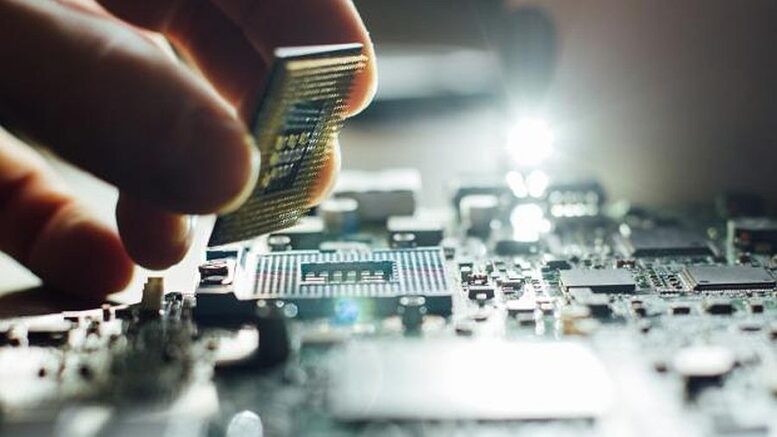
A hundred-billion tiny computer chips are all around us – so essential that their current shortage is depriving us of everything from cars to toasters.
 When there’s enough chips to go around, there are thousands of engineers around the world who make them work. Many got their start under the wing of Stony Brook University Professor Kenneth Short.
Short arrived in Stony Brook – then a sleepy North Shore village – in 1966. He came by train and was directed across a vast, empty field toward a nascent group of buildings, many still under construction.
It would, of course, become a great university, just as Short’s talents would exponentially grow. He soon found his calling in teaching, with a steadfast interest in training students to effectively embed microchips into a wide variety of products.
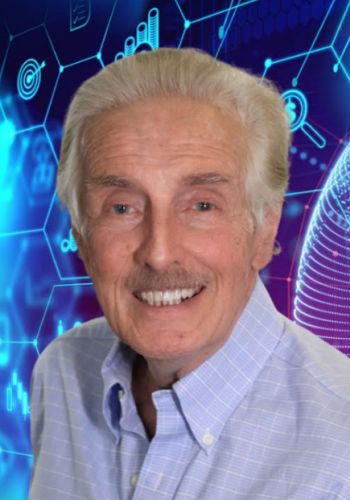
Tom Mariner: A few Short words.
Many of the incredible professors in our Long Island universities are noted by their discoveries, by papers that convey unique knowledge and by the awards they win. Short is distinguished by his technique, and the excitement he imprints on the next generation of computer engineers.
He’s done quite a bit of that. There’s a good chance that when you touch your cellphone screen and it connects to a cell tower somewhere, somewhere along that line, some engineer was influenced by the professor.
He has launched numerous laboratories that put lectures and books to practical use, allowing students to turn tiny electrical signals into action and build up the experiences that will make them industry superstars later.
His first laboratory, which I helped him equip with the “PIC” microcontroller developed and produced by General Instrument Microelectronics in Hicksville (now Microchip Technology in Arizona), seems relatively crude now. Computer engineering is in constant motion, always progressing and becoming more complex. Today, colors and shapes move smoothly on our screens, and the computers that do the work do it generically: on or off, one and zero.
Back in the day, those first microcontrollers were cutting-edge – exactly where Short has existed ever since. To keep up, he’s constantly morphing his subject material and teaching methods.
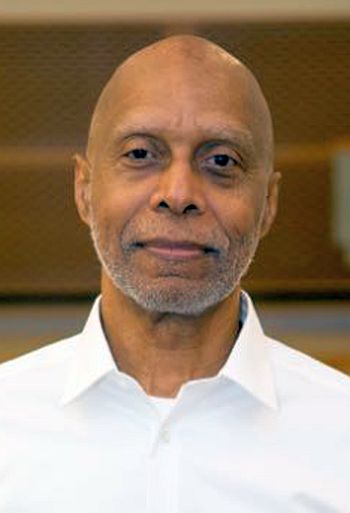
Kenneth Short: Multidimensional mentor.
His one lab has grown to seven, including the Embedded Systems Design Laboratory and the Digital Systems Rapid Prototyping Laboratory, among others.
You’d think the direct training and motivation of thousands of engineers who improve our lives daily would be enough of an accomplishment for one man, but Short went further. Amazon lists several textbooks authored by the professor, covering topics like Short’s complex “embedded system market” (where software and hardware work together solve problems) and used around the globe for training and advancement. =
He also personally sponsors the Kenneth Short Scholarship, awarded to an eligible computer engineering major at SBU.
The Institute of Electrical and Electronics Engineers, where the slogan is “Advancing Technology for Humanity,” awarded Short its Lifetime Achievement Award three years ago, recognizing the training and motivation he’d given so many engineers. It’s great that the IEEE awards committee singled him out, but nothing can top personally witnessing how the innovation and skills he brings to the classroom affect his students. Those lucky enough to attend the “College of Ken Short,” or to use his textbooks and laboratories, are truly learning from one of the greats.
While Long Island innovators were inventing the videogame, mastering the microcontroller and sharpening medical imaging – all decades apart – we were largely doing it on the backs of engineers trained by Ken Short.
Thank you, great Long Islander!
Tom Mariner is the executive director of Bayport-based Long Island Bio.