By GREGORY ZELLER //
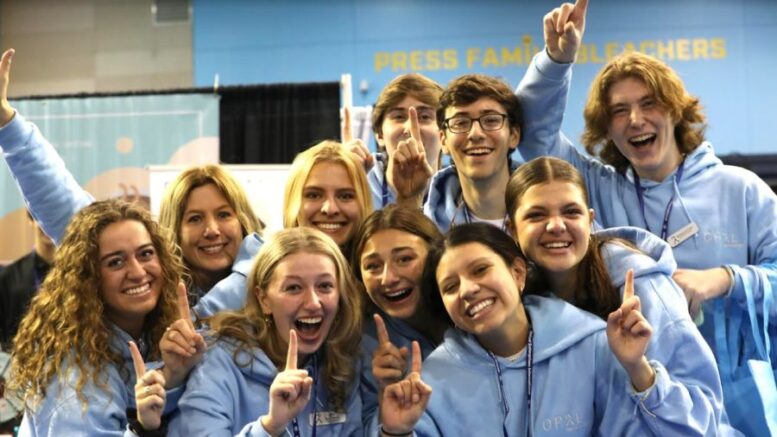
A simulated “circular fashion” startup founded by industrious Westhampton Beach High School students has come full circle, capturing a prestigious national business-plan award.
 Opal, launched in September 2021 by the Westhampton Beach high schoolers, has all the trappings of a real-life online thrift and consignment store, and then some – a snappy logo and clever slogan; a sweet selection of gently used clothing; “expert” style pointers and professionally matched “bundles”; a subscriber newsletter and even a 22-second commercial highlighting its environmental mission (keeping old clothes on shelves and hangars, and out of landfills).
The kick, of course, is none of it is real.
Like the other 339 businesses competing in Virtual Enterprises International’s National Business Plan Competition, Opal is 100-percent simulated. As real as it seems – and it seems very real, from the vintage collections to the virtual shopping cart functions to an “About Us” website page listing everyone from C-suite execs to sales reps (all students) – the entire operation is make-believe.

Put together: From the “Pearl” men’s collection on the Opal website.
Very real, however, is the work the Westhampton Beach students have logged on the Opal business plan – work enough to take first-place honors in the prestigious Business Plan Competition, which came to a head during the Virtual Enterprises 2022 Youth Business Summit, a dynamic week of leadership activities, innovation challenges and virtual trade shows held this month online and in New York City.
The summit, which unites thousands of budding entrepreneurs from across the nation and around the world, is the annual jewel of the entire VE system, which encourages teams of students to design and “launch” simulated businesses and creates a large-scale “simulated economy” for the businesses to populate. Student entrepreneurs construct business models, set budgets, form supply chains, market to their peers and even transact using “credit cards” issued by a faux “central bank.”
 The Opal website looks and feels totally real, including a “checkout” page that factors in sales taxes and delivery charges before requesting credit card information. (For the record, visitors accidentally duped by the authenticity can’t enter their actual numbers – the site, which notes “for educational purposes only” in fine print at the bottom of each page, is programmed to reject actual credit card numbers and work only with the pretend cards issued by VE).
Otherwise, the Opal website is a masterwork of modern e-commerce, on top of a winning National Business Plan Competition entry that required a written stratagem, mission statements, a competitive analysis, financial projections, a marketing strategy and an oral presentation to judges at this month’s summit.
Opal outlasted 39 other finalists to take the competition crown – less of a role-play and more of a true corporate achievement, according to Virtual Enterprises International founder Iris Blanc.
“VE provides youth with an experience reference point to the world of work,” Blanc said Monday. “It opens up the opportunity for students to observe and understand firsthand what they are learning and what interests them as it relates to the careers they might pursue.”