By JEFFREY REYNOLDS//
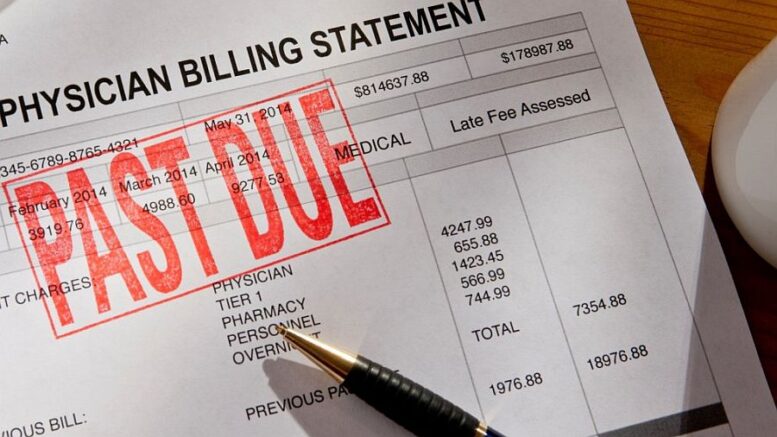
Student debt is getting all the attention these days, but about four times as many Americans – 100 million, to be exact – are fending off medical debt.
 Bill collectors are sniffing after more than $88 billion in medical debt owed to hospitals, doctors, dentists and other healthcare providers. A quarter of adults with healthcare debit owe more than $5,000 – and roughly 1 in 5 say they don’t expect to ever pay it off.
These aren’t consumers who made bad decisions and ran up credit-card balances buying fancy shoes, new cell phones and expensive dinners. They’re often folks who got hit with big bills after a medical emergency – appendicitis, stroke, some other sudden condition.
The expenses associated with chronic diseases like diabetes and cancer can also build up over time, especially if you’re among the 70 million Americans who are uninsured or underinsured.
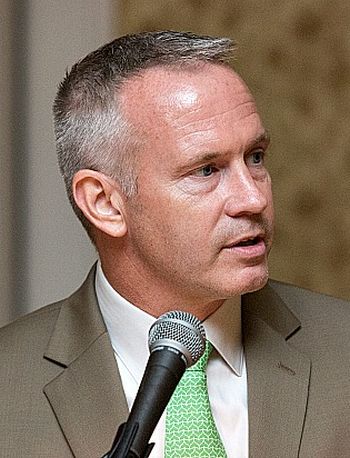
Jeffrey Reynolds: You debt your life.
Shopping around for an affordable emergency room in the midst of a heart attack isn’t feasible. Consumer choice is further limited by provider availability and restrictive insurance networks. Unlike every other consumer good or service, patients usually find out what health procedures cost after they’ve ingested that $60 ibuprofen tablet.
Factor in deductibles, copays and surprise visits from out-of-network anesthesiologists and it’s no wonder that even after passage of the Affordable Care Act, medical bills remain the No. 1 cause of U.S. bankruptcies.
The New York State Legislature has passed a few bills trying to reign in medical debt, including a May 2022 law that protects patients from wage garnishments and liens against their primary residences due to money judgments in medical debt-collection actions brought by hospitals or healthcare professionals.
Still, a statewide survey conducted earlier this year on behalf of the Robert Wood Johnson Foundation found that half of the New Yorkers polled weren’t confident they could pay for routine healthcare services; 40 percent reported they or a family member were delaying or skipping doctor visits, recommended tests or prescribed treatments because of the costs.
 One in 5 said they’d paid a healthcare bill they thought was wrong out of fear of being sued or harassed for nonpayment.
Aggressive debt-collection practices by nonprofit hospitals – which receive tax breaks, public subsidies and other benefits in exchange for providing charitable care – have recently caught regulators’ attention. Marking another forward step, major credit bureaus including TransUnion, Equifax and Experian have recently removed medical debts from consumer credit reports.
Long Island City-based RIP Medical Debt is among the advocacy groups pushing hard for even more reforms. The nonprofit organization, founded in 2014 by two former debt collectors, has already eliminated more than $7 billion of burdensome medical debt for 4 million-plus families.

Mackenzie Scott: Millions are in her debt.
How?
RIP buys discounted medical debt from hospitals and healthcare providers, just as collection agencies do. It focuses on debts where consumers make less than four times the federal poverty level (varies by state and family size) or debts that are 5 percent or more of consumers’ annual income.
Leveraging tax-deductible donations, RIP invests millions of dollars buying up debt “bundles” at a fraction of their original costs. Then, instead of chasing down consumers to pay their bills, RIP sends them notices saying the debt has been cleared.
The nonprofit says it spends $1 to erase $100 in medical debt – which means the $50 million gift the nonprofit received in 2020 from philanthropist Mackenzie Scott will go a long way.
Is paying off these debts to make aggressive bill collectors go away just rewarding hospitals, other healthcare providers and an entire system that should actually be looking for internal ways to lower costs and increase price transparency?
Maybe.
But in the meantime, millions of patients worried sick over collection calls, harassing letters and mounting penalties and interest are able to escape financial ruin, focus on their health and avoid subsequent illnesses – all of which perpetuates this vicious cycle.
Jeffrey Reynolds is the president and CEO of the Garden City-based Family and Children’s Association.