By JEFFREY REYNOLDS //
Ask 10 people if marijuana is addictive and you’ll get 10 different answers.
 Perhaps that’s why recent news of an experimental pill to effectively treat marijuana addiction hasn’t gotten much attention. The drug, known for now as AEF-0117, counteracted the high associated with THC in a small sample of daily cannabis smokers – and helped curb their cravings without causing significant withdrawal symptoms. A larger study starts soon.
Margaret Haney, a Columbia University Department of Psychology neurobiology professor who led that smallish study, noted comparisons of more than a dozen potential treatments for marijuana addiction, with AEF-0117 emerging as the first to positively affect both mood and the urge to use.
Marijuana use among Americans is at a record high. And while most recreational users don’t suffer life-changing consequences, 14.2 million Americans were diagnosed with Cannabis Use Disorder in 2020, putting them at increased risk for a wide range of medical complications and mental health consequences.
Jeffrey Reynolds: A treatment for every pot.
Similar to other addictions, CUD is characterized by clinically significant impairment or distress, powerful cravings, a persistent failure to fulfill school, work or personal obligations, and the continued use of the drug despite negative consequences. Those with the disorder often make unsuccessful attempts to quit or cut down and their risk for cardiovascular and respiratory problems increases over time.
With 38 states legalizing weed for medicinal or recreational use since 1996, science is finally catching up with policy. A study published in May found that young men with CUD are at increased risk for developing schizophrenia; other data highlights the dangers of using cannabis during pregnancy, while more fatal car crashes are being linked to marijuana-impaired driving.
Meanwhile, daily use has more than doubled and people in states that legalized recreational cannabis use it 20 percent more frequently than people in non-legalized states (a shrinking number: Weed goes legit in Maryland July 1 and in Minnesota a month later).
Soaring THC levels have also upped the ante and high-potency weed – readily available at a premium price in both legal and grey markets – has been linked to increased addiction rates.Joh
While some studies, including data cited recently by the U.S. Centers for Disease Control and Prevention, suggest that about three in 10 cannabis users develop a diagnosable CUD, other estimates are much lower. That’s probably because the data tends to be self-reported – like those who drink, cannabis users often underestimate their use and ignore its impact. That’s why only about 13 percent of adults with the disorder get treatment.
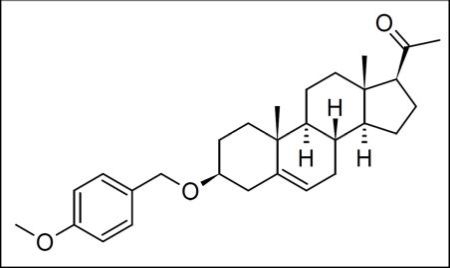
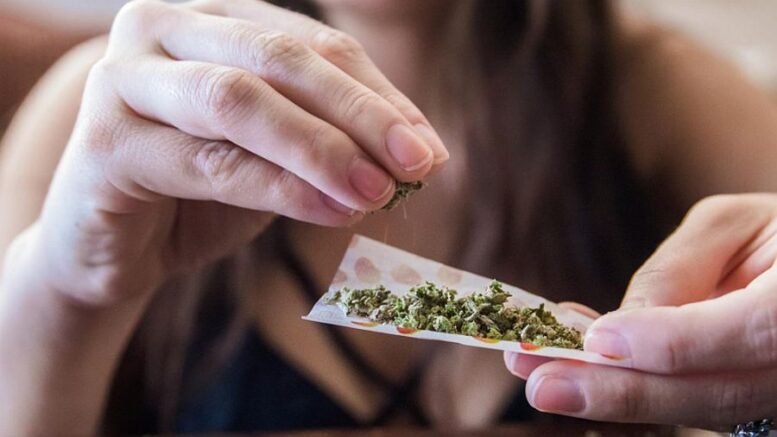
Doesn’t look like much: But AEF-0117 might be the answer for millions with Cannabis Use Disorder.
Kids, though are a different story. Cannabis is the most common substance reported by adolescents presenting for addiction treatment, representing about 70 percent of admissions nationwide in 2020.
But local numbers can spike higher. John Venza, a licensed social worker and vice president of residential services and business development at Brentwood-based behavioral-health specialist Outreach, says 88 percent of 520 kids in their residential treatment programs over the last two years disclosed regular marijuana use – and confirmed cannabis was the primary drug that landed most of those kids in treatment.
Venza notes that adolescent admissions are rising and that “one of the biggest challenges is getting young people to get four to six weeks cannabis-free.”
That’s important, he says: “During that cannabis-free window, we see improvements in cognition, regulation of mood, improvements in sleep, all of which creates a foundation for the young person’s recovery.”
Nicotine replacement therapy helps people stop smoking tobacco, medications like methadone and naltrexone treat opioid addiction and there are several drugs designed to treat alcoholism – but so far, no medications have been approved by the U.S. Food and Drug Administration for the treatment of CUD.
Stephen Dewey, a neuroscientist and research professor in the NYU Grossman School of Medicine’s Department of Psychiatry, thinks AEF-0117 has a chance.
Dewey – also director of research education at the Seafield Center, a Westhampton Beach-based addiction-treatment facility – calls Haney’s research, published this month in the journal Nature Medicine, an “extremely interesting report that offers hope for the development of a pharmacologic treatment for CUD.”
Asked if we really need a pharmacological treatment for weed, in addition to traditional talk therapy, Dewey is equally blunt.
“We will,” he says.
Jeffrey Reynolds is the president and CEO of the Garden City-based Family and Children’s Association.