By DAVID PENNETTA //
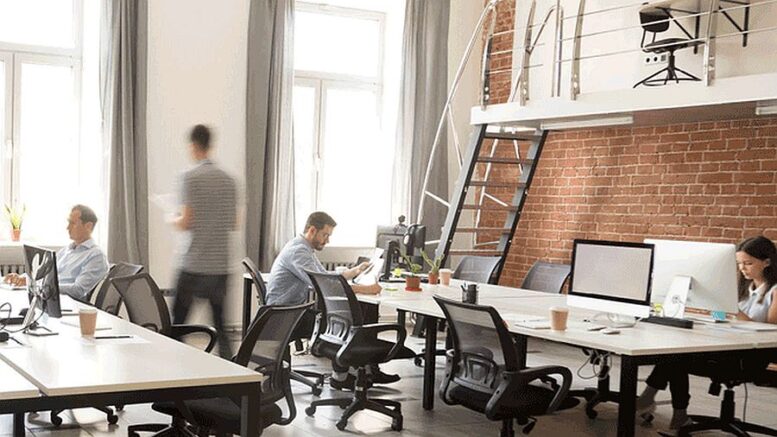
Behavioral science and behavioral economics continue to fill U.S. office buildings.
 Humans are innately distinct from one another, for the sole purpose of sustaining the species. Not every person likes the same thing or fears the same thing. Some people were immune to COVID or had mild reactions. Many weren’t – and reacted very differently.
The lesson here is that not all things motivate, invigorate or affect different people the same way. Humans are diversified, by divine design, for survival.
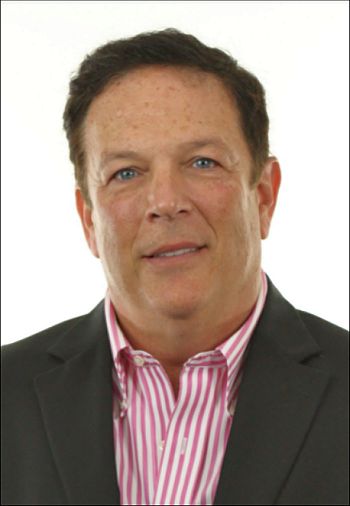
David Pennetta: Good behavior.
Some years back, I was invited – along with some 20 other real estate professionals, whom mostly I knew – to the corporate headquarters of a major office-furniture design and manufacturing company. It was a two-day event and all of us invitees received an informational email concerning dress code, activities, timing, etc.
The first day consisted of golf followed by dinner, and the second day breakfast followed by a meeting at corporate headquarters. It was this portion that intrigued me most – we weren’t there simply to review new concepts, but as test subjects in a study of human nature, environments and productivity.
The meeting room itself had a unique setup. There was a mix of stadium seating and couches and armchairs down the middle, all under 8-foot ceilings. To one side were bar tables and additional seating. In the back was a standing area with more bar tables and a higher ceiling, about 14 feet.
Surprisingly, each area attracted a fairly equal number of attendees from our group.
I recognized most of the attendees, usual spectators and participants at industry events, representing a diverse mix of personalities – from typical type-A personalities to quiet thinkers.
 The brilliance of the meeting room was that everyone naturally gravitated toward the spot he or she felt most comfortable. As a result, the attendees seemed to feel inspired – even those who were usually reserved found the courage to actively participate in this meeting.
It was as though our host had unlocked utmost participation in the visitors, encouraging them to reach their full potential. It was easy to see how this approach could transform workplaces, with employers tapping into the maximum potential of every employee.

Danish Kurani: Shape up.
There have been many studies on environment and human effectiveness (sometimes with mixed results – a University of Michigan study focused on ceiling height in offices found that higher heights nurture creativity, but lower heights empower analytical thinking).
And there’s no doubt the form and function of our environments affect our production. Atlanta-based architecture guru Danish Kurani wrote in a recent Psychology Today article that architecture “shapes who we become,” influencing thoughts, moods and behaviors.
Long Island hasn’t seen a speculative new office building construction of over 100,000 square feet since 2009 in Suffolk (400 Broad Hollow Road and 68 S. Service Road, both in Melville) and 2005 in Nassau (50 Jericho Quadrangle). That means we haven’t seen a significant implementation of the latest building designs and in-demand tenant improvements.
As the return-to-office struggles continue, we will see fundamental changes to finishes, amenities and design features offered in corporate spaces throughout the country. As studies have shown, employers and employees will benefit from these improved creature comforts – and if Long Island wants in, it’s got some catch-up work to do.
David Pennetta is executive managing director of Cushman & Wakefield’s Long Island office and co-president of the Commercial Industrial Brokers Society of Long Island.