By TED STRATIGOS //
Long Island’s 2024 commercial real estate market is an ever-changing mix of considerable challenges and tantalizing opportunities.
 As usual – certainly, this is all-too-familiar to longtime Long Islanders.
The challenges start with higher-than-average barriers to new development, including (but not limited to) lengthy permitting and approval times, high interest rates and rising construction costs. These and other factors tend to suppress the ambitions of local developers and off-Island builders hoping to tap into our regional economy (and our higher-than-average household incomes).
As a result, no new office buildings are on the horizon, and the recent spike in industrial spec buildings after COVID has slowed to a halt.
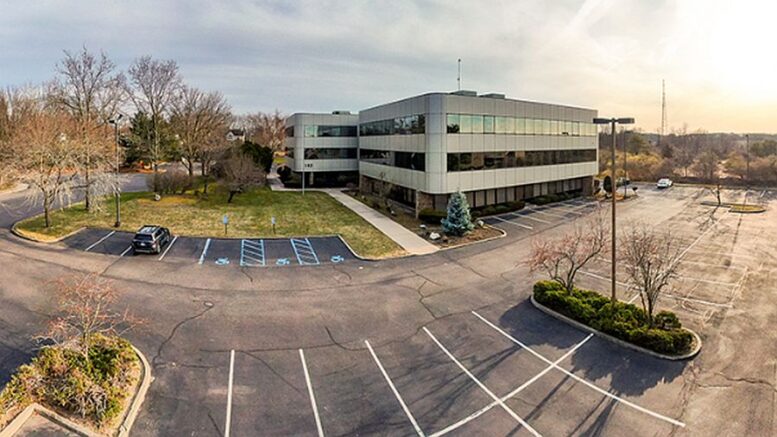
Challenges from different product sectors also come into play. The slower-than-expected return of employees to the office has the office sector grappling with a high vacancy rate, causing many companies to re-evaluate their space needs. Many are cutting back.

Ted Stratigos: Opportunities knock.
Other factors – skyrocketing operating costs, high taxes and more – influence “go/no go” decisions when it comes time to acquire and build, and you can guess where that’s been going. Or no-going.
Now the industrial sector is facing cost pressures mirroring the office sector. As a result, the “race” to develop quality, high-ceiling warehouses after the recent e-commerce boom has led to a slight increase in regional vacancies.
Asking rents for new industrial properties must adjust slightly downward to compensate for this vacancy uptick. Growth in supply is outpacing demand; the only part of the industrial sector where this isn’t true is smaller buildings (less than 50,000 square feet), where the inventory is still very low.
Long Island’s shining light is the medical sector, with major Greater New York hospitals occupying large vacancies in Island office and retail buildings. The most active players include NYU Langone Health, the Hospital for Special Surgery and Stony Brook Medicine, all of whom have taken over large blocks of space including vacated department stores and vacant office space.
Which brings us to those tantalizing opportunities. Those hospitals had the opportunities to take advantage of vacant department store spaces, which usually include acres of parking, plenty of nearby amenities and higher ceiling heights.
Similarly, office-sector stress has created more attractive terms for companies still needing space, whether they’re relocating, expanding or even downsizing. Large warehouse users now have options – previously few and far between out here – with landlords a bit more willing to negotiate than they have been in the past.
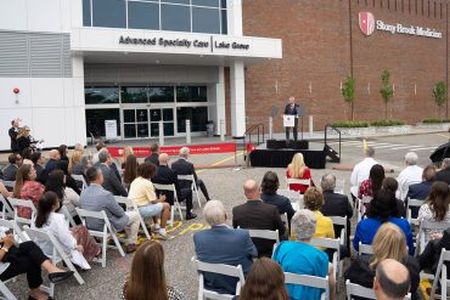
Mall medicos: Stony Brook Medicine’s new facility in a former Sears store at Lake Grove’s Smith Haven Mall is part of a larger LI trend.
The industrial-demand slowdown, meanwhile, has created an opportunity for multifamily residential developers to become more competitive land buyers. And the renovation of existing retail centers, focused on new facades to attract both tenants and customers, has become a visible trend, with everything from mom-and-pop strip malls to big box stores showing improvement.
Of course, the Long Island real estate market always has one powerful ace up its sleeve: It’s based on Long Island. We can study real estate statistics and trends all day long, but they’ll never truly encapsulate what it means to live, work and play on our unique and wonderful Island.
This region is marked by its beautiful beaches and parks, eclectic small towns and villages, and proximity to the greatest city in the world. That’s the ultimate positive when it comes to real estate in Nassau and Suffolk – and it always will be.
Ted Stratigos is co-president of the Commercial Industrial Brokers Society of Long Island and principal/managing director of Avison Young’s Long Island office.