By DAWN HARMON //
The environmental landscape has evolved drastically over the past two decades, demanding innovative and sustainable approaches to address the increasingly complex challenges of waste management.
 Twenty years ago, waste management was a largely straightforward endeavor focused on waste collection, transportation and disposal. Landfills were the primary destination for municipal solid waste and facilities that utilized sustainable waste solutions – such as waste-to-energy technology – were seen as a progressive, yet limited, method to reduce landfill dependence.
However, the growing awareness of environmental issues, coupled with the mounting evidence of climate change and urgent need to promote sustainability, has reshaped the landscape, demanding more sophisticated and sustainable waste solutions from companies and municipalities.
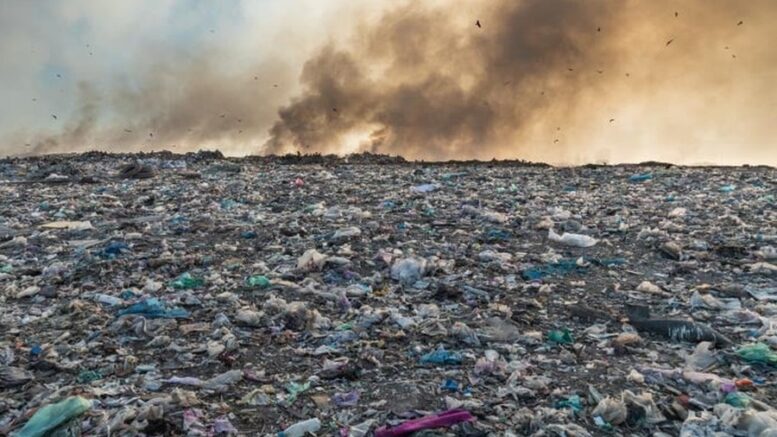
Long Island generates about 7 million tons of waste each year. This immense volume, comprising everything from household trash to commercial and construction debris, is straining a region that is already stretching its waste-management infrastructure upsettingly thin.
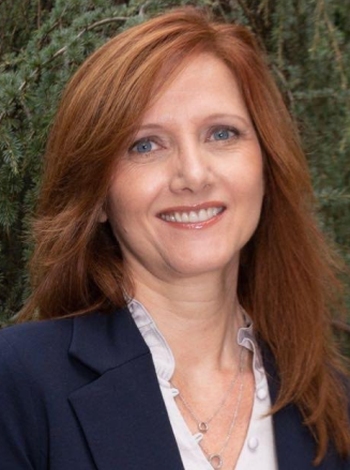
Dawn Harmon: New name, same mission.
To handle this volume, reduce environmental impact and minimize reliance on landfill space, recycling programs and other sustainable waste solutions have become increasingly important.
For more than 30 years, Covanta has partnered with Long Island’s towns and communities to provide a critical public service, utilizing modern sustainable waste solutions to help municipalities and communities solve the Island’s growing garbage issues. As a pillar of Long Island’s waste-management infrastructure, we have been hard at work evolving to accommodate the difficult situation we’re in, so Long Island can have a prosperous and sustainable environmental future.
Today, facilities in Westbury, West Babylon, East Northport and Ronkonkoma process approximately 1.8 million tons of waste annually, while providing enough energy to power 100,000 homes.
However, the state of waste in 2024 on and off Long Island is vastly different from what it’s been – and the approach to sustainability is far more complex than it was in past generations.
This transformation is the main intention for Covanta’s recent worldwide rebrand to Reworld. The new trademarked identity more closely reflects our expanded mission and innovative approach to sustainable waste solutions necessary to meet the environmental goals of 2024 and beyond.
Managing waste is no longer just about disposing trash. It involves a comprehensive understanding of the entire lifecycle of waste, from production and consumption to disposal and recycling. The goal is to minimize the environmental impact at every stage, and Reworld is embracing this complexity by investing heavily in research, technology and infrastructure to develop advanced solutions that not only manage waste but also transform it into valuable resources.
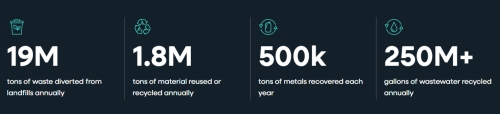
Progress by the pound: Reworld (formerly Covanta) has invested billions into waste-management sustainability. (Source: Reworld)
We have invested more than $1 billion in infrastructure enhancements, introducing groundbreaking solutions such as ReDirect360 (zero waste-to-landfill), ReDrop (wastewater treatment), ReKiln (alternative fuel engineering), ReMove (transportation and logistics) and ReCredit (sustainable carbon offsets). These solutions are designed to help municipalities minimize their carbon footprints, preserve resources and create new revenue streams.
As Reworld moves into this new era of leading Long Island as an environmental and waste-management champion, it’s important to understand what waste-to-energy technology is – and the remarkable advancements that have already taken place to enhance its capabilities.
One of the most significant waste-to-energy technology advancements is the development of advanced thermal methods. Modern plants – including all four of Reworld’s Long Island facilities – now incorporate high-efficiency combustion systems and advanced environmental-control technologies, allowing them to operate much more efficiently, increase the amount of renewable energy generated from the same amount of waste and enhance their overall productivity.
Anaerobic digestion has also seen substantial progress. This biological process breaks down organic waste in the absence of oxygen, producing biogas that can be used for electricity, heat or even vehicular fuel. Enhanced anaerobic-digester designs and better process controls have increased biogas yields and made the technology more economically viable, particularly for managing food and agricultural waste.
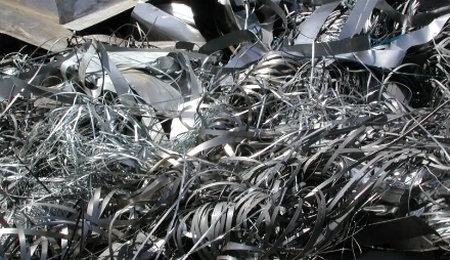
Proving their metal: Reworld’s Long Island facilities recycle 60,000 tons of waste metal every year.
Our plants are now Thermomechanical Treatment Facilities that integrate with other waste-management methods to create entire waste ecosystems. Coupling TTFs with material-recovery facilities ensures that recyclable materials are extracted before waste is converted into energy, maximizing resource efficiency.
For instance, our four Long Island facilities have metals-recovery services that collectively recycle more than 60,000 tons of ferrous and nonferrous material every year. For perspective, that much metal could create a paperclip chain that wraps around the Earth 85 times.
Furthermore, our facilities help to keep 90,000 trash-hauling trailer trucks off the road, saving approximately 18 million gallons of fuel annually and eliminating more than 3.3 million tons of greenhouse gases.
There is no turning back. The variety of chemicals and materials used in the production of goods is vast and continually evolving and increasing the complexity of waste management. As we rise to meet these challenges in an environmentally friendly way, sustainable innovation remains critical.
Reworld and other entities making up Long Island’s waste infrastructure remain steadfast in investing in the future, re-imagining the world as it can be and putting plans into action so we can all reach a better tomorrow.
Dawn Harmon is director of the East Region Market Area for Reworld.