By MICHAEL H. SAHN //
One of the most memorable scenes from the 2002 movie “Chicago” is when attorney Billy Flynn breaks into a rendition of “Razzle Dazzle” to explain how he’ll use sleight of hand to convince a jury to acquit Roxy Heart on murder charges.
 “Chicago” is fiction, of course, but the reality of the jury-trial process is that jurors can indeed be swayed by a turn of phrase or a defendant’s celebrity status. Obviously, this is playing out right now in the historic trial of former President Donald Trump, who is facing a “jury of his peers” for alleged criminal wrongdoings regarding his relationship with a porn actress.
The charges claim that “hush money” was paid to suppress stories that might diminish Trump’s chances of being elected in 2016. The cast of characters is straight out of a Hollywood script: the ex-president, the porn star, the disgruntled former employee, the notorious tabloid publisher, etc.
Whether it’s life imitating art or art imitating life, the charges are serious and the potential penalties significant, with Trump’s re-election campaign possibly hanging in the balance.
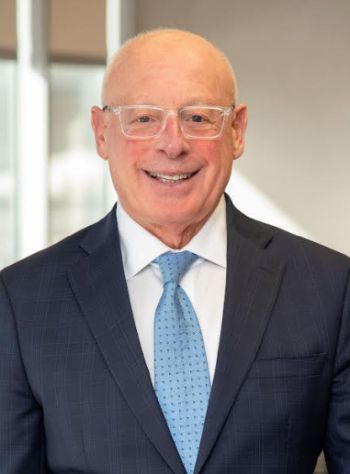
Michael Sahn: The jury is still out on jury trials.
In trials of the rich and famous – and of “ordinary” defendants, when the allegations are sensational and subject to public scrutiny – we have come to expect the unexpected. Every issue becomes contentious. This is especially true if the defendant takes the stand in his or her own defense.
Many such cases have been described in books or turned into screenplays and theatrical productions. Some have earned “trial of the century” status. And while real-life celebrity cases are often dramatic and captivating, many often boil down to a single crafty phrase or a single piece of evidence.
No case better illustrates this than the O.J. Simpson murder trial. The case was all but over when Simpson – already wearing a latex glove to prevent evidence contamination – struggled to put on a bloody glove found at the murder scene.
Defense attorney Johnnie Cochran famously instructed the jury, “If it doesn’t fit, you must acquit” – instantly creating a reasonable doubt that no amount of other evidence or other facts could overcome.
On the other hand, the misuse of flawed evidence – combined with biased and unreliable testimony – led to the conviction of boxer Rubin “Hurricane” Carter, who was charged with a triple homicide he didn’t commit. It took 25 years of tireless efforts to right this wrong to get him out of prison.
Sometimes, a judge’s rulings during a trial can sway a verdict or lead to vacating a verdict on appeal. The decision of the New York Court of Appeals to vacate the conviction of media mogul Harvey Weinstein on rape and sexual-assault charges perfectly illustrates this point: Despite copious evidence of his guilt, the Appeals Court – by a 4-3 majority – ruled that the trial judge’s instructions to the jury regarding the evidence it could consider prejudiced the defendant’s right to a fair trial.
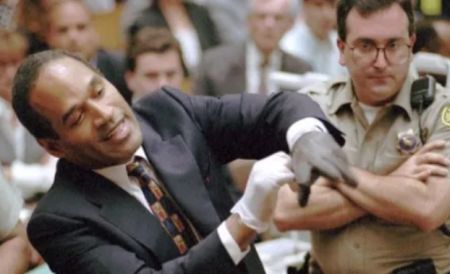
Off hand: Allowing Simpson to handle the evidence was a classic blunder by prosecutors.
Applying this principle to the multitude of rulings in Trump’s hush-money case – including a “gag order” imposed by the judge – there is no doubt his lawyers will preserve each ruling for appeal, should the jury convict.
The legal battles of actor Kevin Spacey show how a jury can be distracted and even starstruck by a celebrity defendant. Despite explicit evidence of sexual misconduct – carrying a maximum sentence of life in prison – jury members acquitted Spacey of the nine charges against him. Five of the jurors remained after the trial to meet him. Even the prosecutor admitted to being overwhelmed by Elton John and David Furnish, who both testified for the defense.
Gwyneth Paltrow took the stand in a recent civil trial to defend herself against claims that she was to blame for a skiing accident. The trial drew millions of viewers. The plaintiff sought $3 million in damages, but the jury believed the popular actress – and even awarded her $1 in damages to emphasize she was not to blame.
Witness testimony can also become indelibly associated with causes of historical importance. Although it was a Senate Judiciary Committee hearing and not a trial, per se, White House counsel John Dean’s comment that the Watergate coverup had become a “cancer on the Presidency” – uttered in the proceedings leading up to President Richard Nixon’s resignation (and the hit film “All the President’s Men”) – still resound.
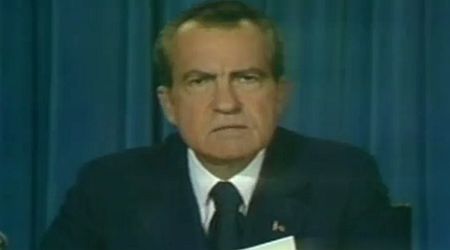
Long national nightmare: John Dean’s “cancer on the Presidency” quote didn’t force Nixon from office — but it sure didn’t help.
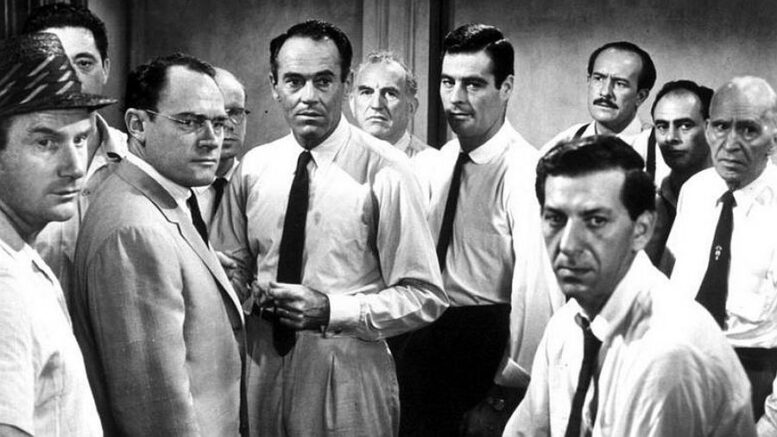
In the end, how and why a jury reaches its decision remains in the annals of surmise, or post-judgment reports from jurors. Proceedings in the jury room are not recorded. One juror can sway a trial’s outcome by persuading others of alternative facts or by holding out against the views of the majority – as dramatically displayed in the classic film “Twelve Angry Men.”
Imperfect as it may be, a jury of peers using common sense to determine a defendant’s fate is the basis of our justice system. It has proved time and again that no one is above the law – unless they have a savvy lawyer with a quick tongue who can cast doubt on what is otherwise incontrovertible evidence.
Michael H. Sahn, Esq., is the managing member of Uniondale law firm Sahn Ward Braff Koblenz Coschignano PLLC, where he concentrates on zoning and land-use planning, real estate law and transactions, and corporate, municipal and environmental law. He also represents the firm’s clients in civil litigation and appeals.