By MICHAEL H. SAHN //
Get ready to hear a lot about ESG.
 ESG is an acronym for Environmental, Social and Governance, a set of factors used to evaluate investment return and guide strategic corporate decisions beyond mere financial metrics. Simply stated, ESG is socially responsible investing – a big deal that’s new and innovative and being embraced by thought leaders.
The environmental part of ESG considers how a company’s actions protect the environment (or not) and encourages investment decisions with positive impacts on climate change. Climate risk is investment risk, according to BlackRock CEO Larry Fink, who considers ESG “stakeholder capitalism.”
He’s not the only one on ESG’s bandwagon. Corporate stakeholders now expect companies to play a role in reaching a net-zero economy. And corporate leaders – who believe private capital is essential to combat climate change – advocate regularly for the private sector to collaborate with government on new climate action.
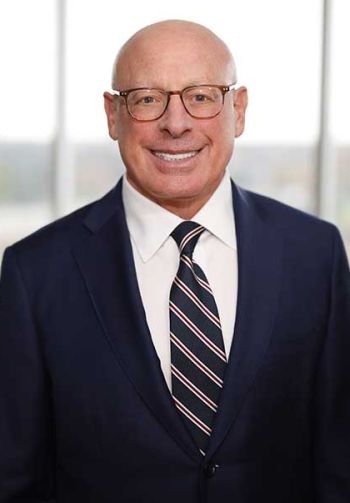
Michael Sahn: ESG is here to stay.
ESG principals are also gaining momentum across Europe and are a big part of The Davos Agenda for 2022, revealed at this week’s World Economic Forum.
What does all this mean for New York and Long Island? Consider some recent reports on the rapid pace of climate change, including statistics showing last year was one of the hottest on record – and that the world’s oceans contained the most heat energy in 2021 since measurements began decades ago.
There are also reports about rising sea levels along New York’s coastline – an immediate threat to Long Island, where superstorms are becoming more and more frequent.
Government action alone cannot make fast and meaningful progress against these risks. The Biden Administration’s Build Back Better bill is stuck in Congress, and with it the president’s aggressive climate initiatives. The environmental group Evergreen Action found that while the Biden Administration has made progress in many areas, its most ambitious environmental programs are going nowhere.
There are some positive state-level developments directly affecting Long Island, such as contracts Gov. Kathy Hochul signed last week for two offshore-wind projects and the federal government’s decision to sell six wind-energy areas situated off the New York/New Jersey coast.
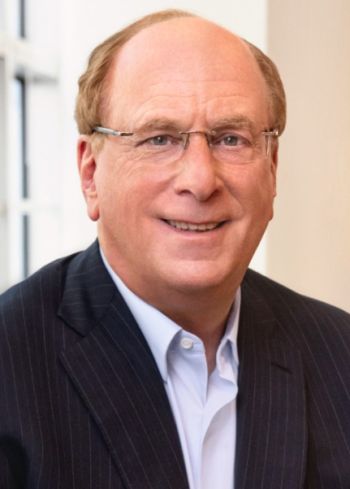
Larry Fink: Mitigating risks.
That’s good. Given the enormous investment needed to combat climate change, private capital is an essential part of the solution, and government must partner with the private sector to make this happen. Where better for corporate and government thought-leaders to work together as catalysts for change than New York, the center of the investment world and soon the center of the U.S. offshore-wind world?
Indeed, ESG principals are beginning to find their way into New York legislative proposals. The “Fashion Sustainability and Social Accountability Act” proposed in the State Senate in October seeks to require fashion manufacturers and retailers to make ESG-related disclosures and identify ways to mitigate significant, adverse environmental and social impacts – including a provision allowing public lawsuits against alleged violations.
Local governments can also make ESG principles part of their land-use, planning and environmental-review processes, by granting incentives to projects that incorporate environmental goals.
Expect creative solutions like these – changing the way private businesses and governments act together – to be an emerging legal trend in 2022. And a necessary one.
Michael H. Sahn, Esq., is the managing member of Uniondale law firm Sahn Ward Braff Koblenz PLLC, where he concentrates on zoning and land-use planning, real estate law and transactions, and corporate, municipal and environmental law. He also represents the firm’s clients in civil litigation and appeals.