By TOM MARINER //
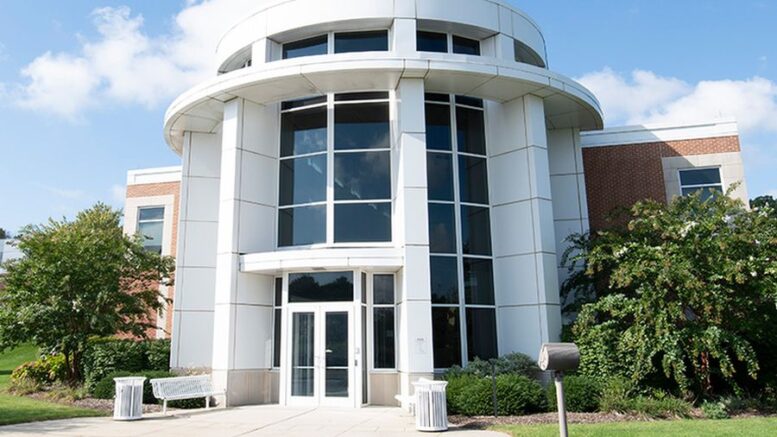
Broad Hollow Bioscience Park has already contributed mightily to Long Island’s “bio” ecosystem – and an old friend of regional commercialization is poised to take it to even greater heights.
 Located close to the Nassau/Suffolk border on the Farmingdale State College campus, the 20-acre, two-building, not-for-profit park was originally inspired by the oncogene, a mutated gene with the potential to cause cancer discovered in the early 1980s by Cold Spring Harbor Laboratory molecular biologist Michael Wigler.
The discovery led to the creation of 1983 startup Oncogene Science and, eventually, the commercialized drug Tarceva, which was approved in 2004 by the U.S. Food and Drug Administration for treatment of certain lung and pancreatic cancers.
Oncogene Science would become OSI Pharmaceuticals, which is now part of Astellas Pharma. OSI was the first anchor tenant of Broad Hollow Bioscience Park, which opened in 2000 with what would become a familiar pattern: One large company at the heart of an incubator for startup biotechs.
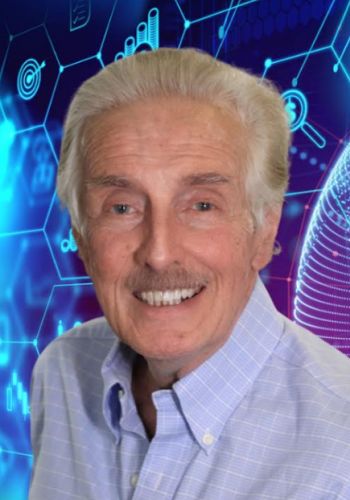
Tom Mariner: Park ranger.
The park was (and is) a unique partnership between Farmingdale State College, Cold Spring Harbor Laboratory and the Research Foundation for the State University of New York, offering physical spaces and – most importantly – access to wet-lab resources at Farmingdale State and CSHL.
When OSI, by then acquired by Astellas, moved out the park in 2013, it contributed to what could definitely be described as the park’s “roller coaster” years. The Bioscience Park’s largest spaces, in fact, would stay essentially vacant until this year, when New York City-based Estée Lauder Companies moved in as the new anchor tenant, eager to research and develop new products.
At the controls from the start was Greg Blyskal, Broad Hollow Bioscience Park’s inaugural executive director, who oversaw the ambitious enterprise’s promising early days and kept it afloat after the OSI exit. Four months ago, Blyskal was succeeded by Dan Polner, who brings a unique combination of determination and experience to the executive director role.
Farmingdale President John Nader, who also co-chairs the Long Island Regional Economic Development Council, told me that Polner’s raw enthusiasm is what impressed him most – and I can tell you that enthusiasm is based on long experience.
When I was a tenant of Stony Brook University’s Long Island High Tech Incubator, Polner was in the middle of his seven-year term as the university’s “incubator advocate,” and I came to rely on his financial expertise and knowledge of other LIHTI tenants. His honed advice – sometimes harsh, always on-point – helped shape our direction.
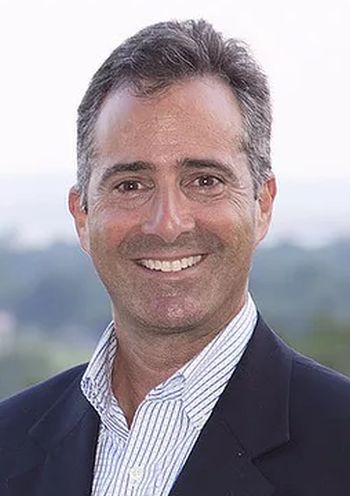
Dan Polner: Executive decision.
With his long “bio” experience, one thing Polner knows is that animal testing was integral to every major drug on the market today. The FDA, in fact, requires various animal tests before moving into human trials.
To that end, the new exec has been busy informing the regional pharma community about the Bioscience Park’s state-of-the-art vivarium, managed by Canadian research facilitator Mispro Biotech Services. Is it a big deal? Well, Linda Amper, who was OSI’s administrative VP until the 2010 Astellas takeover, told me that an on-campus vivarium might have changed minds about the company’s move.
Polner is also pushing for a third bio-incubator building, this time with an innovative twist – an “H” shape, which would allow individual suites to be sequentially built out, bringing in early-stage firms as quickly as they pass the entrance application process. The Bioscience Park could ramp up the new facility in controlled stages determined by need and funding.
During Polner’s first month at Broad Hollow, Empire State Development held a press conference on the front steps of the Farmingdale State facility, announcing $50 million in grants for Long Island’s signature biotech industry. For a new exec determined to answer the needs of regional researchers and manufacturers – all part of a master plan to attract more venture capital to Long Island – that was a pretty good start.
Tom Mariner is the executive director of Bayport-based Long Island Bio.