By TERRY LYNAM //
Hospitals nationwide will spend tens of millions of dollars in the coming months touting their “Best Hospital” rankings.
 Announced this month, the most recent rankings for the nation’s 4,700-plus acute-care hospitals have already set off a wave of marketing promotions among those looking to differentiate themselves in highly competitive markets across the country, especially in metropolitan areas like New York City.
The magazine has been rating hospitals for quality of care in such clinical areas as cancer, cardiology, obstetrics/gynecology and a range of specialties – 15 this year, in addition to 21 procedures/conditions – since 1990. But there is growing scrutiny of the rankings, and questions of whether they serve consumers’ best interests.
Relying on numerous methodologies, including surveys completed by more than 30,000 physicians, U.S. News compiles an exhaustive list of what it regards the nation’s top 50 hospitals in each clinical area, as well as the best hospitals in every state and metropolitan area.
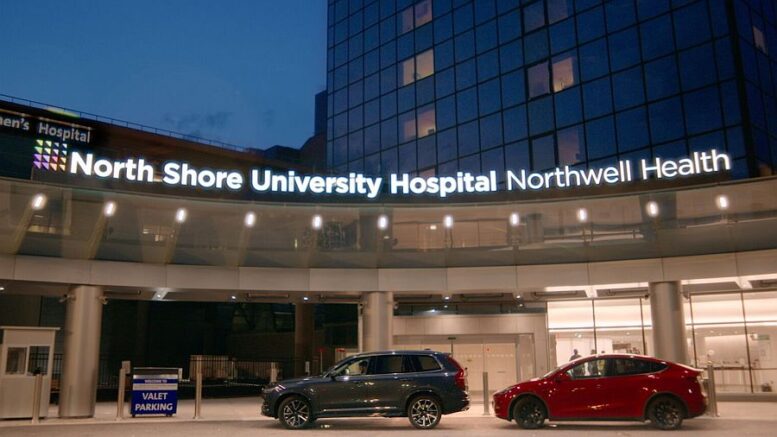
The most coveted prize is the magazine’s “Honor Roll,” which this year featured 22 hospitals nationwide, including four Greater New York hospitals: Northwell Health’s North Shore University Hospital in Manhasset (ranked No. 1 in New York State and the metropolitan area) and Manhattan’s Mount Sinai Hospital, New York Presbyterian Hospital and NYU Langone Medical Center.

Terry Lynam: Out-ranked.
Now healthcare leaders are pushing back on the best-hospital ratings, similar to criticisms the magazine has gotten over its Best Colleges and Best Law School rankings. Many say the scoring methodologies are outdated, put too much emphasis on inpatient care and don’t reflect the industry’s shift toward outpatient care.
The University of Pennsylvania Health System made news in June when it announced it would discontinue active participation U.S. News’ Best Hospital rankings, even though it made the magazine’s national honor roll, was nationally ranked in 11 clinical areas and was recognized as the best hospital in Pennsylvania.
“Healthcare is evolving at an unprecedented pace, and the ways performance is measured must also change,” University of Pennsylvania Health System CEO Kevin Mahoney said in a statement. “The Best Hospitals rankings don’t account for all of the elements essential to improving patient outcomes.”
The magazine’s rankings have also been the focus of legal scrutiny. On June 20, San Francisco City Attorney David Chiu sent a letter to U.S. News demanding specific information on what he views as “questionable methodology” and asking the magazine to disclose payments it receives from hospitals.
“Consumers use these rankings to make consequential healthcare decisions, and yet there is little understanding that the rankings are fraught and that U.S. News has financial relationships with the hospitals it ranks,” Chiu said in a statement.
Only U.S. News knows how much revenue it generates from its healthcare surveys, which also include best maternity hospitals, best doctors and best nursing home ratings. But gaining and maintaining these national rankings continues to be a major focus of most health systems.
It starts with knowing the metrics and what’s needed to improve a hospital’s score in each clinical area. Another important strategy is urging faculty to complete surveys, including listing what they believe to be the top hospitals in their respective specialties, without consideration of location or cost.

Prove it: San Francisco City Attorney David Chiu wants more transparency from U.S. News & World Report regarding its hospital rankings.
To assist with the metrics, U.S. News even created an analytics platform giving hospitals access to “over 10 million data points on 3,000 domestic hospitals,” thereby “empower[ing] hospital executives with actionable, never-before-released content sets for enhanced strategic planning, marketing and resource allocation.”
Health systems pay tens of thousands of dollars annually to access this data – pricing varies depending on the number of hospitals analyzed – and, when they achieve a national ranking, pay the magazine thousands more so they can display the Best Hospital “badge” in their marketing and advertising.
The magazine cautions consumers to use its rankings as a “tool that can help patients and their families find sources of skilled inpatient care.” It says its specialty rankings are “meant for patients with life-threatening or rare conditions who need a hospital that excels in treating complex, high-risk cases.”
“Average” hospitals that are closer and within a patient’s insurance network might ultimately make more sense, according to U.S. News, and ultimately, the rankings “should be taken as a starting point.”
Despite that disclaimer – and the growing skepticism – the medical community recognizes that Best Hospital rankings are a resource for millions of consumers. But the demands for change are loud and clear.
Ratings systems must evolve. A quality hospital-rating system is a great idea and both patients and providers deserve one – but it should be based on modern protocols and updated datapoints, and promote the best real-world outcomes.
Terry Lynam is a communications consultant and former senior vice president/chief public relations officer for Northwell Health.