By TERRY LYNAM //
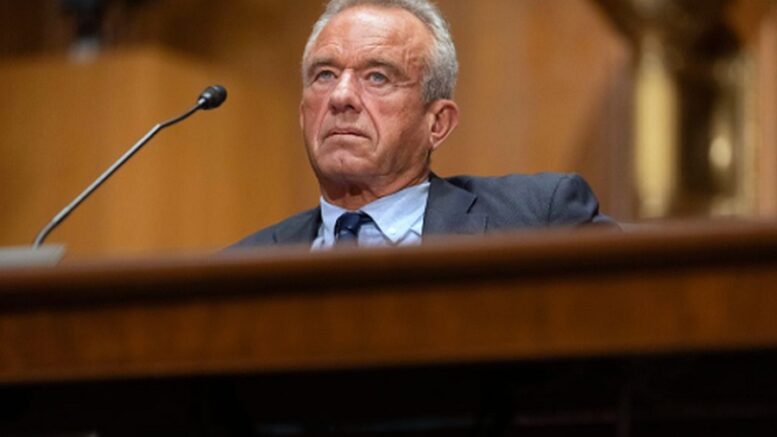
The nation’s public-health professionals are in full-blown panic over the dumpster fire that Robert F. Kennedy Jr. has ignited within the U.S. Centers for Disease Control & Prevention.
 In a sad irony to President Donald Trump’s pledge to “Make America Healthy Again,” the U.S. secretary for health and human services has created chaos within the world’s preeminent public-health agency, mostly by casting doubt on the credibility of the CDC’s vaccine policies.
Kennedy’s tumultuous seven-month tenure reached a tipping point last week when he fired CDC Director Susan Monarez – Trump’s pick to lead the agency – less than a month after her Senate confirmation.
The White House said Monarez was “not aligned” with the president’s agenda. Translation: She refused Kennedy’s demands to fire agency leaders and accept all recommendations from a CDC vaccine advisory panel that Kennedy totally reconfigured in early June.
“When CDC Director Susan Monarez refused to rubber-stamp unscientific, reckless directives and fire dedicated health experts, she chose protecting the public over serving a political agenda,” her lawyers said on X.
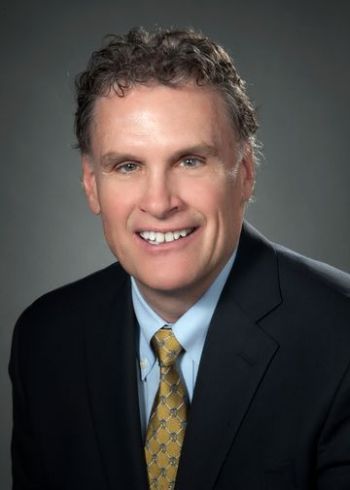
Terry Lynam: Kennedy crisis.
Soon after Monarez’s departure, four other CDC senior leaders resigned in protest over the Trump administration’s political interference in science and public-health decisions. By the end of last week, Kennedy had appointed Deputy HHS Secretary Jim O’Neill to serve as the CDC’s acting director.
In response to the mayhem, Kennedy was grilled Thursday by both Democrats and Republicans during a contentious Senate hearing, shocking many with his lack of knowledge about the COVID pandemic death toll and surprising no one with his refusal to acknowledge the benefits of the COVID vaccine.
Earlier this week, he was also taken to task by several former CDC directors who co-authored a New York Times op-ed saying Kennedy’s unprecedented actions “should alarm every American, regardless of political leanings.”
The former directors – who served Republican and Democratic administrations over the past five decades – demanded Congress show some backbone and exercise its oversight authority over HHS. They also called on state and local governments to fill the funding gaps created by billions of dollars in federal budget cuts and asked philanthropic organizations and the private sector to step up their community investments.
And they encouraged physicians to treat patients with “sound guidance and empathy,” while imploring medical groups to continue to “stand up for science and the truth.”
Since the Senate confirmed him in February as HHS secretary, Kennedy has left what many public-health advocates consider a trail of destruction. He’s laid off more than 2,000 employees (nearly one-fifth of CDC’s workforce), cut billions of dollars in state grants supporting immunization and vaccination programs, replaced all 17 members of the CDC’s Advisory Committee on Immunization Practices and canceled more than $1 billion in grants and contracts for the development of promising bird flu and mRNA vaccines. (An mRNA vaccine is a preventive treatment that trains the body to fight infectious diseases, the same technology used against COVID-19.)
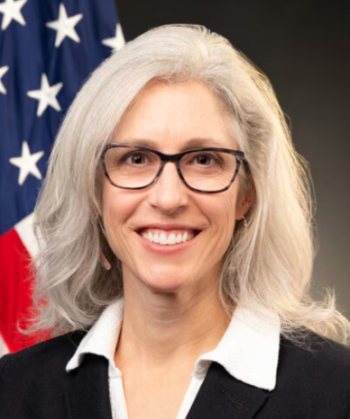
Susan Monarez: For the people.
“I don’t think people appreciate the devastation to public health and the risks we’re taking in leaving the country unprepared to deal with future pandemics and other problems, big and small,” notes Bruce Farber, chief of public health and epidemiology at Northwell Health.
Among Farber’s many concerns is the impact of the CDC’s funding cuts on state and local governments that rely on federal money to support disease surveillance, prevention programs and outbreak-response efforts. He says those budget cuts – as well as Kennedy’s skepticism on the merits and safety of vaccines and his false claims linking immunizations to autism – have severely damaged the CDC’s credibility.
You’ll be hearing much more later this month about Kennedy’s claims that vaccines – and other environmental factors – are responsible for the alarming increase in autism cases. At an Aug. 26 Trump cabinet meeting, Kennedy told the president he’d soon be announcing “interventions” that are “certainly causing autism.”
While past scientific studies have debunked the link between vaccines and autism, Kennedy is hellbent on proving it. In May, he created the Autism Data Science Initiative, including a $50 million National Institutes of Health autism study that has already generated more than 100 proposals from universities, research institutes, advocacy organizations and data firms. Up to 25 grants are expected to be awarded by the end of this month.
In response to the widespread backlash he’s getting from public-health professionals, Kennedy insists he’s on a mission to restore public trust in the CDC, saying the agency has fallen victim to decades of “bureaucratic inertia” and “politicized science” – dysfunction that led to irrational policies during the COVID pandemic.
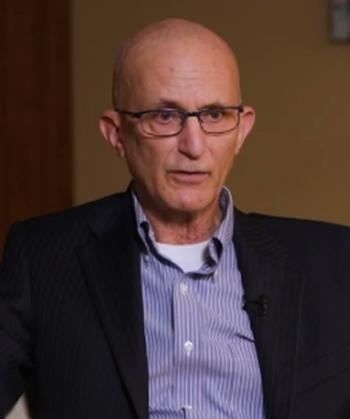
Bruce Farber: Concerned citizen.
“We know chronic disease made COVID especially lethal in America,” Kennedy wrote earlier this week in a Wall Street Journal op-ed. “Infectious and chronic illness are linked. Tools meant to fight disease – vaccines, antibiotics, therapeutics – can save lives but also trigger adverse events in some patients. That truth must no longer be ignored.”
As an infectious disease specialist, Farber isn’t buying Kennedy’s version of “truth.” He’s appealing to healthcare providers and scientists to speak out about the lifesaving benefits of vaccines, which he considers a triumph of science and cornerstone of public health.
“There has to be more of a grassroots effort to educate the public on what’s happening,” he says – and a full understanding of “the many years it will take to rebuild” the public-health infrastructure Kennedy is decimating.
Terry Lynam is a communications consultant and former senior vice president/chief public relations officer for Northwell Health.