By TERRY LYNAM //
The long-simmering debate over the future of federal health spending – including Obamacare subsidies – has been largely overshadowed by the Trump Administration’s pursuit of Greenland and the deadly ICE shootings in Minneapolis.
 But a showdown looms this week. The U.S. Senate – facing a Jan. 30 deadline to avoid another government shutdown – is considering a spending package approved last week by the U.S. House of Representatives, including a bipartisan agreement on healthcare spending.
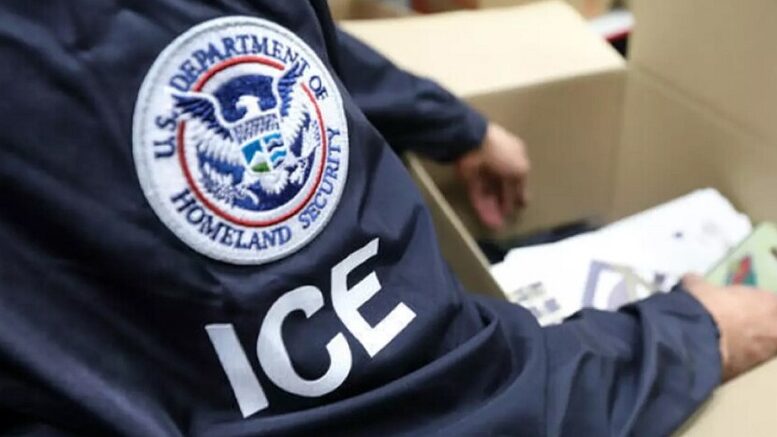
Of course, it’s not that simple. The slate of bills in the $1.2 trillion spending package includes funding not only for the Department of Health & Human Services, but the departments of Transportation, Labor, Education and Housing and Urban Development – and of course the departments of Defense and Homeland Security, including Homeland Security’s infamous investigative arm, U.S. Immigration and Customs Enforcement, known best as ICE.
Two days prior to ICE’s fatal shooting of Minneapolis nurse Alex Pretti, seven House Democrats – including Reps. Tom Suozzi (D-NY3) and Laura Gillen (D-NY4) of Long Island – bucked their party leaders and voted with Republicans in favor of the spending package, including the $64.4 billion in Homeland Security funding. Backlash from many of their constituents has been fierce.
Following Pretti’s killing, Senate Democrats have vowed to oppose the package unless Homeland Security funding is excluded from the legislation.
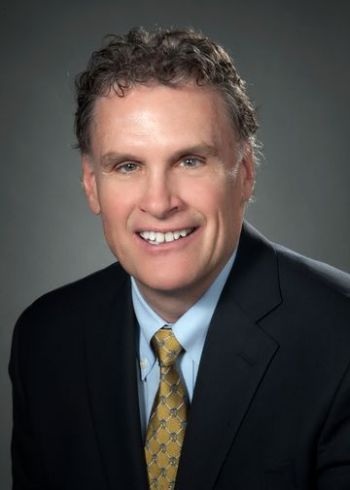
Terry Lynam: On ICE.
The stage is now set for yet another showdown – and another government shutdown, beginning at 12:01 a.m. Saturday.
To recap, Republicans’ refusal to extend Affordable Care Act subsidies – and Democrats’ refusal to let that go – caused last Fall’s record 43-day federal government shutdown. Seventeen House Republicans voted with Democrats on Jan. 8 to push through a three-year Obamacare subsidy extension, but that bill has stalled in the Senate and President Trump has already mused about a veto.
With Senate negotiations on the subsidies ongoing, some Republican members are wavering, concerned by the political fallout of rising health-insurance premiums. But several roadblocks to compromise remain; among the biggest are Republican demands for stronger curbs on abortion coverage for anyone purchasing insurance through the ACA marketplace.
Perhaps even more important, from a public-health standpoint, is the $117 billion earmarked in the bipartisan package for HHS – not for the dollar amount, but for rejecting proposed Trump Administration cuts that would have decimated staffing and research funding within the U.S. Centers for Disease Control & Prevention, the National Institutes of Health and other HHS agencies.
The bill allocates $4.6 billion for community health centers and restores funding for numerous initiatives that Trump targeted for major cuts or elimination – including international HIV/AIDS programs, domestic mental-health and substance-abuse services and various injury-prevention efforts, including gun-violence prevention programs.
The bipartisan bill would also implement efforts to monitor the opaque business practices of pharmacy benefit managers, who negotiate prices between drug companies and pharmacies – and are responsible for high prescription costs and insurance premiums, according to drug makers.
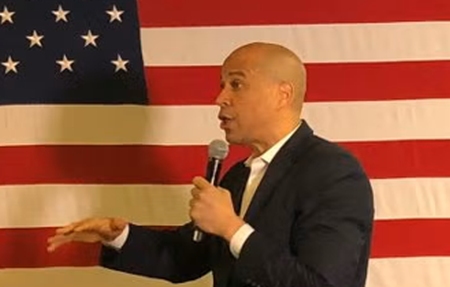
Not on my watch: U.S. Sen. Cory Booker (D-NJ) has promised to vote down any federal spending plan that funds ICE.
One provision would prevent PBMs from earning revenues – critics call them “kickbacks” – from the drug-discount programs they negotiate. This has understandably angered the PBM industry and its powerful allies, who have vowed to fight the proposed law.
Notably, with the exception of the PBM reforms, the bipartisan health bill – for now – leaves out some of the most ambitious ideas floated in Trump’s so-called “Great Healthcare Plan,” which the President claimed would lower insurance premiums, decrease prescription drug prices and increase price transparency.
For instance, to reshape how Americans pay for prescription drugs, Trump has been pushing a “most-favored-nation” pricing model, which sets U.S. drug costs based on the lowest paid by other developed countries.
The administration has already signed deals with 16 of the nation’s 17 largest pharmaceutical companies, which have agreed to embrace that model – but an independent analysis published earlier this month showed those same drugmakers increased prices on 872 brand-name drugs during the first two weeks of January.
To lower health-insurance premiums, the Great Healthcare Plan would eliminate direct payments of ACA subsidies to insurers, replaced by federally funded health savings accounts that enable eligible Americans to directly purchase their own insurance coverage.
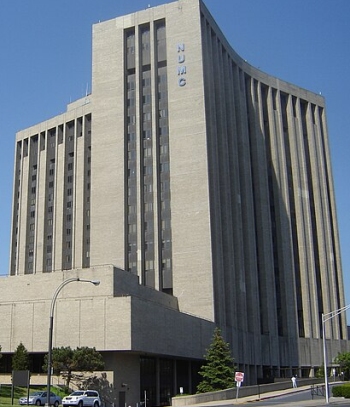
Hold on: Nassau University Medical Center and other “safety-net” hospitals will receive at least two more years of Medicaid support, if a bipartisan spending bill becomes law.
With the Friday deadline looming, it remains to be seen if these or other new ideas work their way into the negotiations. One compromise plan being discussed by a bipartisan Senate group includes a two-year extension of the ACA subsidies with a plan to enable eligible recipients to deposit funds into HSAs beginning in the second year of enrollment.
To satisfy Republicans who believe ACA-subsidy eligibility guidelines are too lenient, an income cap preventing higher-income recipients from receiving benefits is in play, as well as language preventing federal funds from paying for abortions.
As written, the bipartisan appropriations package also features some key benefits for healthcare providers, including preserving funding for telehealth services authorized during the pandemic, Medicare payment extensions for rural hospitals and additional support for maternal and child health.
It also funds new healthcare-workforce recruitment efforts, and delays $8 billion in scheduled Medicaid cuts for two years – Disproportionate Share Hospital Payments targeting “safety-net hospitals” (like Nassau University Medical Center) that service a significant number of Medicaid and uninsured patients.
With the clock ticking, the encouraging news is that common sense is prevailing and many healthcare cuts proposed by Trump and HHS Secretary Robert F. Kennedy Jr. are being rescinded. But like most of Congress’ massive funding bills, all the good stuff is intertwined with the objectionable – in this case, funding for ICE.
Democrats believe public opinion is on their side and appear unwavering in their opposition. The only question now is whether Republicans will abandon Homeland Security funding in the omnibus bill.
If not, another shutdown is imminent.
Terry Lynam is a communications consultant and former senior vice president/chief public relations officer for Northwell Health.