By DAVID A. CHAUVIN //
On the surface, it’s easy to paint the latest controversy for Spotify flagship enterprise “The Joe Rogan Experience” with broad strokes: another example of COVID-19 misinformation pretending it’s not, another tech company scrambling through a PR crisis plan.
 The way Joe Rogan and others use their platforms to distribute false information about vaccines and legitimize asinine conspiracy theories is reprehensible, and a major culprit behind today’s polarized society (and our broadening public health crisis). But there’s a deeper story here.
Joe Rogan and his ilk are a product of the next generation of self-publishing social media and the wild, wild west of podcasting. The meteoric rise in podcast popularity has changed the game, leaving platforms like Spotify desperate to catch up – and giving new meaning to “social” media and how they operate.
Spotify started in 2006 as a Swedish startup with the intentions of providing a better and more equitable solution to music piracy, aimed at benefitting artists, producers and the listening audience alike.
It pains me to think that 2006 was 16 years ago – a time when programs like Napster, Limewire and OurTunes were revolutionizing the music industry. More to the point, the were eating away at labels’ profits, turning casual listeners into cybercriminals and deteriorating the brick-and-mortar music business.
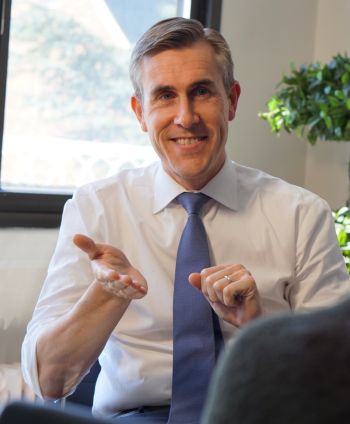
David Chauvin: On the Spotify.
Spotify flipped the script by licensing content directly from major labels and independent artists and paying them royalties, giving them their props and putting an endless catalog of music at users’ fingertips.
But just as Netflix and Amazon shifted their streaming models to be both provider and publisher, Spotify read the tealeaves and paid hundreds of millions of dollars for exclusive rights to up-and-coming popular podcasters – including Rogan and Gimlet Media, which produces programs like “The Journal,” The Wall Street Journal’s daily podcast.
The difference between Spotify’s podcast content and Netflix’s content, though, is that podcasting offers more of an open-source publishing structure. Anyone can publish a podcast. And therein lies the heart of the next generation of social media.
Anyone with a smartphone can make a podcast and then distribute it everywhere that people listen to podcasts. In fact, service platforms like Art19 and Castos – and hundreds of others just like them – make developing high-quality content pretty much plug-and-play. Think about how much more difficult it would be to get your homemade documentary film streamed on Netflix.
What’s more, people are listening! Data shows that 30 percent of Americans listen to a range of podcasts each week, and related advertising sales are growing significantly. With Spotify’s acquisition of Anchor and its partnership with WordPress – both of which enable easier podcast creation – user-generated podcasts have become a big part of Spotify’s “future of audio.”
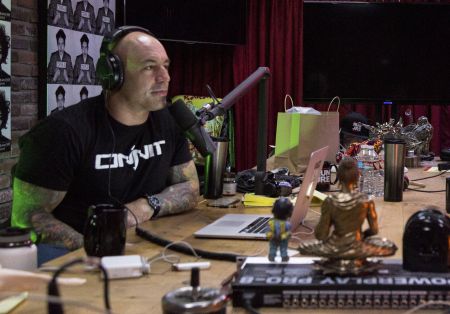
Experience this: Rogan is asinine and reprehensible — and the posterchild for evolving social media, Chauvin says.
Despite sidetracks like the Rogan controversy, Spotify’s push to make it easier for content to be created, published and widely accessible is also better for Long Island and organizations that may not have otherwise been able to tell their stories. And a lot of good, responsible content is coming out of this.
Gregory Zeller and the Innovate Long Island team should be commended for their deep dive into the regional innovation economy through the terrific Spark podcast. As a lifelong Islander and history buff, I’m glued to the excellent Long Island History Project and Discover Long Island’s daytrip-rich Spilling the Tea. Some of these great local programs and others like them might not have been possible if it was harder to enter the podcast market.
But just as formal media companies need to adhere to ethical guidelines, the self-published need to held accountable for their platforms, either on their own or by sweeping regulation – consider that Joe Rogan has roughly 11 million listeners per episode, compared to Newsday’s weekly audience of about 1 million.
Content producers take note: It won’t be the wild west for long. As ad dollars flow in – differentiating premium programming from public access – the barrier for entry is going to become greater and reaching listeners will become more difficult. And it won’t be long before platforms like Spotify establish proactive governance, rather than relying on reactive punishments for wayward content.
I don’t see much difference between an episode of the Serial podcast and an old episode of The Shadow radio program. The more things change, the more they stay the same. But things are changing very quickly now, and the big questions is: How will industry and government adapt?
Time will tell. But the Joe Rogan controversy is only the beginning.
David A. Chauvin is executive vice president of ZE Creative Communications.