By PAULE PACHTER //
Poverty, food insecurity and poor nutrition have harmful effects on the health and wellbeing of Long Island’s older adults.
 These impacts can limit their ability to work, perform daily activities and live independently. Seniors with fixed incomes, inadequate community resources and a limited social-support system are especially vulnerable.
According to Feeding America, a nationwide network of 200 food banks, one in 15 older adults – roughly 7 percent of the population ages 50 to 59 – were food insecure in 2020. Long Island Cares-The Harry Chapin Food Bank estimates that about 54,000 seniors in Nassau and Suffolk counties experience food insecurity and rely on emergency food networks for ongoing support.
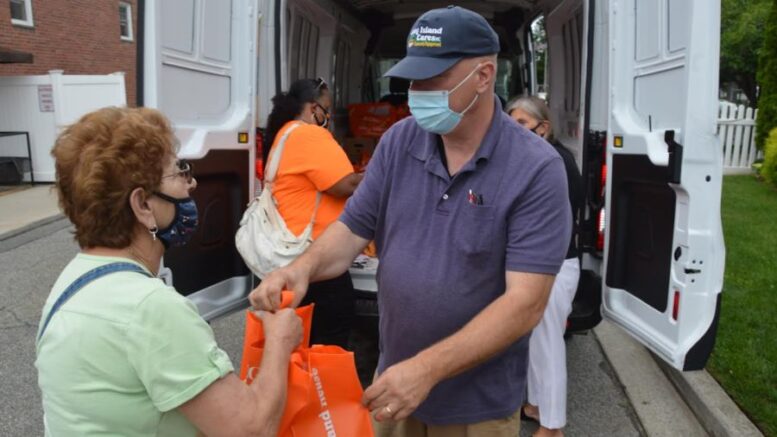
Monthly, nearly 2,000 seniors visit our satellite locations in Freeport, Lindenhurst, Huntington Station, Bethpage and Hampton Bays for food, personal-care items, household supplies and pet food. Twice a month, our Mobile Pantry delivers groceries to households of seniors that are homebound and cannot travel to a neighborhood food pantry.
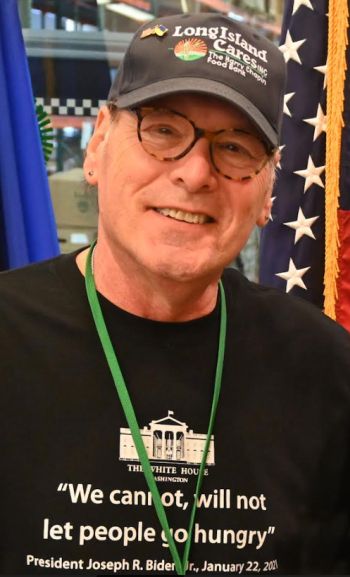
Paule Pachter: Creative thinker.
Food insecurity can contribute to physical and mental conditions such as diabetes, depression, hypertension, congestive heart failure, accidents and more. Seniors struggling with food insecurity also experience more frequent hospitalizations and emergency-room visits.
For a number of health-related outcomes, food-insecure seniors are worse off than those with an adequate supply of food.
In November 2020, Long Island Cares implemented the S.O.S. (Supporting our Seniors) program. With support from our New York State legislative delegation, we’ve been able to stabilize the environment for many seniors and ensure they continue to have access to emergency food assistance.
When it comes to hunger and seniors, we must develop broad and creative approaches like this that ensure services are available. Long Island Cares provides home delivery of groceries for seniors through S.O.S., Mobile Pantry and veterans outreach. We collaborate with allied organizations such as AARP’s Long Island chapters and local townships to meet the needs of seniors for healthy food.
What’s more, we let them select the foods they want to eat, to help meet their health and cultural needs. In addition, each time we make a home delivery, we assess each household for services that can address other needs they might have.
It is critical that we continue to provide the necessary government funding, coordinated services, flexible program models, compassion and advocacy for a population that often feels helpless to affect change.
Paule Pachter is the CEO of Hauppauge-based Long Island Cares-The Harry Chapin Food Bank.