By DAVID A. CHAUVIN //
On Nov. 8, 1960, John F. Kennedy was elected President of the United States in one of the closest and most influential elections in U.S. history.
 Most point to the iconic television debates between Kennedy and Richard Nixon, which highlighted Kennedy’s youth and exuberance, as a turning point for modern campaigning. However, a less-discussed aspect of Kennedy’s campaign – but possibly more monumental – was the behind-the-scenes work political consultant Matt Reese did to get then-Sen. Kennedy on the ballot.
During the Democratic primary, the public narrative was that Kennedy’s youth, inexperience in foreign affairs and Catholic faith made him a losing proposition. But Reese saw an opportunity to tip the scales by focusing on the ground game in a way that had never before been done: knocking on doors, engaging undecided voters and getting people to the polls.
He and his team of volunteers famously spent 18-hour days in the basement of the Kanawha Hotel in Charleston, W.V., making endless phone calls to build grassroots voter support within the overwhelmingly Protestant West Virginia. That strong performance is credited with winning Kennedy the party’s nomination – and forever changing how we look at political campaigning.
Regardless of the national media narrative, it’s all about reaching voters and getting people to the polls.
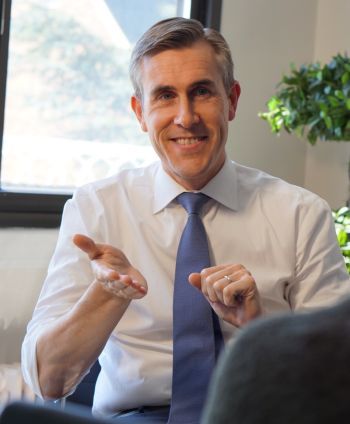
David Chauvin: Vote forward.
The 2024 presidential election is expected to be incredibly close, meaning every vote will count. While the recent Democratic and Republican national conventions generated lots of hype within both bases, it’s once again all about the ground game – and which party can follow Reese’s Get Out The Vote lead.
This time around, however, given our polarized national political affiliations and the drastic differences in the two parties’ political viewpoints, it’s less about reaching those who are undecided and more about encouraging historical nonvoters to participate.
The U.S. Census Bureau reports that despite a record 158 million people voting in the 2020 election (81 million for Joe Biden and 74 million for Donald Trump), 77 million vote-eligible Americans – roughly 34 percent – did not cast a ballot. This is staggering when you consider that many elections, especially at local and state levels, are decided by razor-thin margins. Clearly, nonvoters can transform election results.
For example, George W. Bush won Florida in the 2000 election by a bit more than 500 votes. The shape of the country could have been very different if the 5 million Floridians who didn’t vote in that election had participated.
Successful GOTV campaigns are multifaceted and adaptable to the specific needs and challenges of the communities they target. They often combine traditional methods, such as door-to-door canvassing and phone banking, with modern strategies like digital outreach and data-driven targeting.
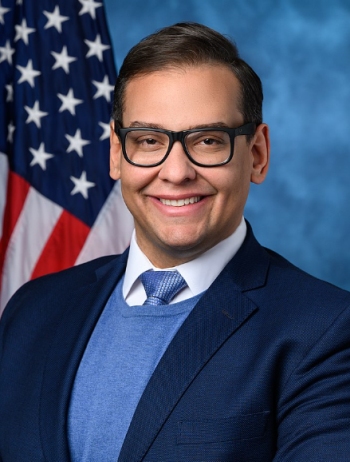
George Santos: Voter apathy poster boy.
Taking a page out of Reese’s playbook, Barack Obama’s campaigns in 2008 and 2012 focused on data analytics, social media and grassroots organizing to mobilize millions of new, previously disengaged voters, particularly among young people and minority communities. This surge in voter turnout was a key factor in Obama’s decisive victories.
On Long Island, the emphasis has to be on reaching individual voters, making sure they know the candidate and feel confident that he or she will be a powerful voice to advocate for what matters to them. This is especially true after Long Islanders found themselves caught in the whirlwind of the George Santos saga: Transparency, personal connection and accountability are more important than ever.
Aside from building connections with the candidate, the most critical component of a successful GOTV campaign is voter education. Many potential voters are unaware of who is running – especially in local elections – as well as registration deadlines, voting locations or absentee-ballot processes.
Get Out The Vote campaigns often focus on providing this crucial information, sometimes in multiple languages, to ensure that every eligible voter has the opportunity to participate. That’s why everyone should expect to see a barrage of candidates and volunteers at LIRR stations, to be heavily targeted with voting reminders on social media and to receive text and email messages overflowing with candidate information – not just Kamala Harris and Donald Trump, but local candidates as well.
These campaigns also often provide resources such as transportation to polling stations or assistance with navigating the voting process for first-time voters. Zooming out, GOTV efforts must also address the barriers that prevent people from voting; this can include advocating for policies like early voting, mail-in ballots and same-day registration, which make voting more accessible to those with rigid work schedules, limited transportation or other challenges.
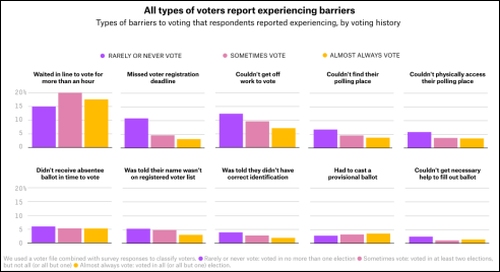
Barrier breakdown: There are many reasons why American voters don’t go to the polls. (Sources: FiveThirtyEight / Ipsos, Aristotle)
Grassroots GOTV efforts have historically played a pivotal role in shaping election outcomes, particularly in battleground states like Georgia. Prominent voting-rights activist Stacey Abrams and her Fair Fight organization have worked tirelessly to register Georgia voters and combat voter suppression.
In 2020, the result was a historic increase in voter turnout, particularly among Black and minority voters, which helped flip Georgia for the Democratic presidential candidate for the first time in nearly three decades.
Even the astronauts trapped aboard the International Space Station will have the ability to vote in the 2024 election, thanks to legislation passed by Texas in 1997 that made it possible to vote from space. Hey, every vote counts.
The importance of GOTV campaigns cannot be overstated. Voter apathy, misinformation and systemic barriers continue to threaten the health of our democracy. With an election season as intense and polarizing as this one, it’s essential that federal, state and local candidates focus on getting as many people to the polls as possible.
David A. Chauvin is executive vice president of ZE Creative Communications.